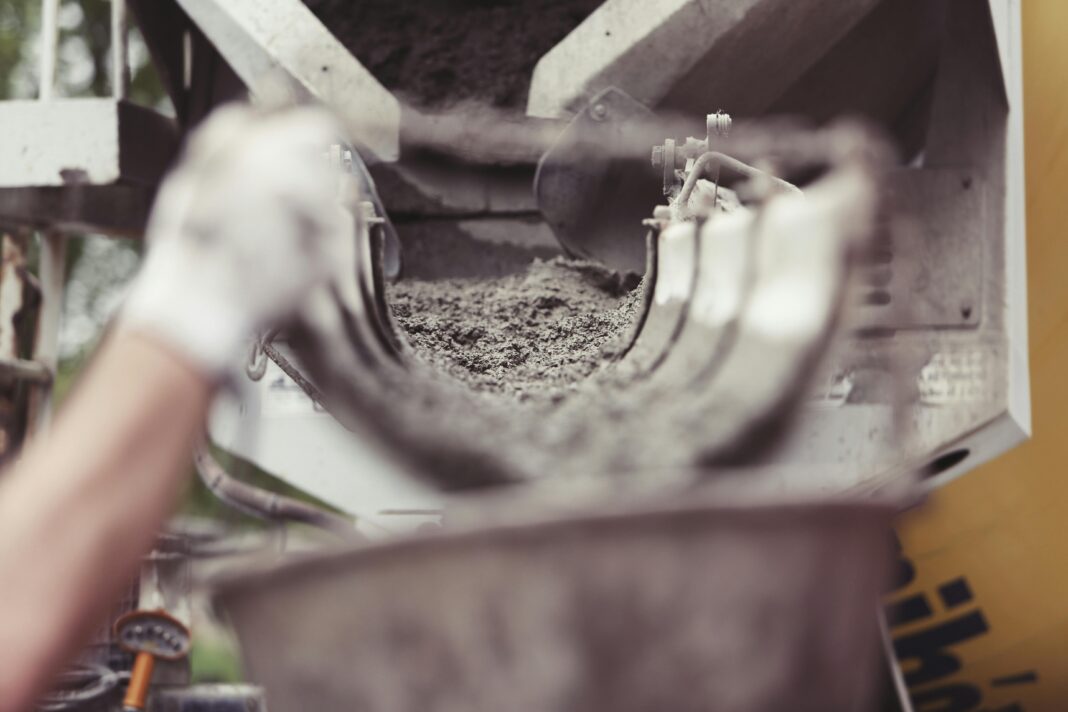
In modern construction, durability and safety are two of the most important factors that determine the long-term performance of any structure. Whether it is a residential home, commercial building, or infrastructure project, the quality of the materials used plays a critical role in ensuring structural integrity. This is where material testing becomes an essential part of the construction process.
Builders, contractors, and engineers rely on various testing methods to evaluate the strength, durability, and performance of construction materials before they are used in projects. By using professional concrete testing equipment, construction professionals can ensure that the materials meet industry standards and perform reliably under real-world conditions.
The Importance of Material Testing in Construction
Construction materials such as concrete, steel, asphalt, and aggregates must meet specific standards to ensure they can withstand environmental stress, loads, and long-term wear. Material testing helps verify that these materials meet required specifications and safety guidelines.
Without proper testing, construction projects may face serious issues such as structural weakness, cracks, or premature deterioration. These problems can lead to expensive repairs and, in extreme cases, safety risks for occupants.
Material testing provides multiple benefits, including:
- Ensuring structural safety and reliability
- Improving long-term durability of buildings
- Preventing costly construction failures
- Meeting industry regulations and compliance standards
Because of these advantages, testing has become a standard practice across construction and engineering industries.
Why Concrete Testing Is Critical
Concrete is one of the most widely used building materials in the world. It forms the foundation of homes, bridges, roads, and high-rise buildings. However, the strength and durability of concrete depend on factors such as mix design, curing conditions, and the quality of raw materials.
This is why construction professionals rely on specialized concrete testing equipment to evaluate the quality of concrete before and during construction.
Some common concrete tests include:
- Compression testing to measure the strength of hardened concrete
- Slump testing to determine work-ability and consistency
- Air content testing to assess durability and resistance to freeze-thaw cycles
- Moisture testing to ensure proper curing conditions
These tests help ensure that the concrete used in a project meets structural requirements and performs as expected.
How Modern Testing Equipment Improves Accuracy
Advancements in testing technology have significantly improved the accuracy and efficiency of material testing in construction. Modern testing equipment provides precise measurements, allowing engineers and technicians to make informed decisions about the materials they use.
Reliable testing tools allow construction professionals to:
- Identify potential material defects early
- Maintain consistent quality across projects
- Improve construction efficiency
- Reduce the risk of structural failure
With better testing processes in place, builders can confidently construct structures that are safe, strong, and built to last.
Building Stronger and Safer Structures
In today’s competitive construction industry, quality control is more important than ever. Proper testing ensures that every material used in a project contributes to the overall strength and durability of the structure.
By investing in professional concrete testing equipment and reliable material testing practices, builders and engineers can deliver projects that meet high safety standards while ensuring long-term performance. Ultimately, thorough testing helps create buildings and infrastructure that stand the test of time.