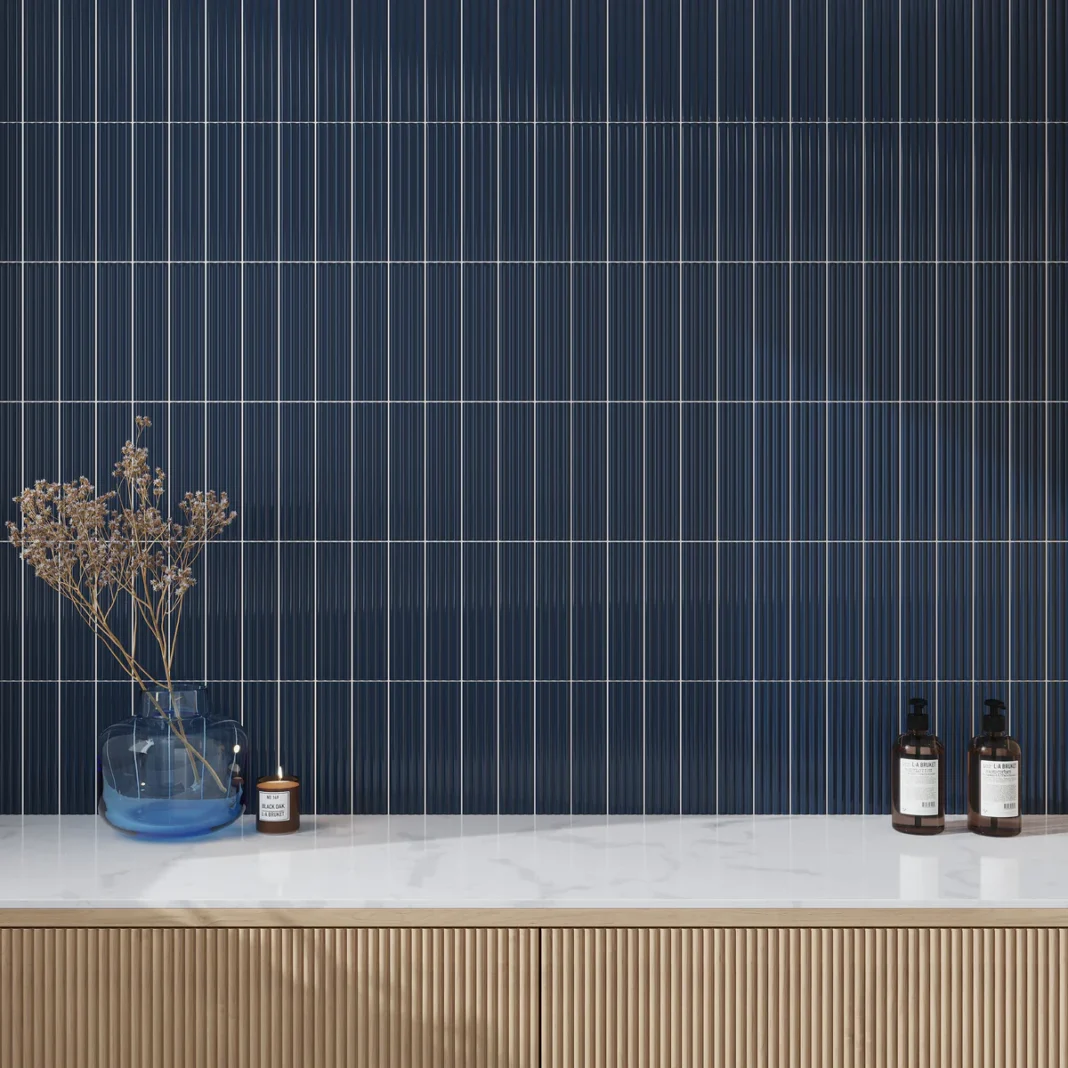
Texture in interiors is one of the design elements that contributes greatly to the look and feel of a space. While plain, sleek surfaces are smooth to the touch, they can quickly fall flat, resulting in a clinical or incomplete scheme. This is where the importance of fluted tile comes into play. These wall and floor tiles feature raised ridges and grooves, adding just the right depth and visual interest.
In decades past, fluted surfaces were a common theme in ancient Greek and Roman designs, showcasing multiple vertical channels on walls and columns. The fluting pattern is both functional and decorative, making surfaces appear more elevated and elegant. Today, fluted tiles embrace both classical and contemporary style. Their design can be dramatic or subtle, depending on how these tiles are used. And in modern spaces, they add dimension and enhance the sensory experience of a space.
Why Fluted Surfaces Work
- Add texture and appeal: The vertical grooves of fluted surfaces create dimensional interest even in the simplest of rooms. The tiles inspire a sense of touch and are visually captivating without the use of bold color.
- Create a focal point: Fluted walls naturally draw the eye and add interest without overwhelming the room. They can serve as a stylish centerpiece, elevating the entire space with ease.
- Add a sense of height: Oriented vertically, they create an impression of more height. This effect makes walls seem taller and improves the feeling of openness.
- Offer unparalleled versatility: Fluted designs complement almost any room, be it the living room, kitchen, or bathroom. They go really well with all sorts of interior design styles, color schemes, and décorative accents, offering endless possibilities for how you set up your space.
Understanding Fluted Design in Modern Interiors
Fluted patterns may be used to add structure and visual rhythm. Homeowners and designers rely on architectural fluted surfaces for introducing texture and decorative panache. These surfaces work especially well in spaces where visual balance is important.
Instead of tiling the entire room, fluted tiles can come in as an accent. For instance, creating a feature wall or fireplace surround. This way, a thoughtful and layered look can be achieved without causing visual overwhelm.
Fluted Tiles and Lighting Effects
Fluted tiles are also known to have a dramatic effect on the lighting of a room. The light will be accentuated by the ridges and grooves, and this will produce a soft shadow impact. The look of the tiles changes throughout the day as light moves across them. This makes a room with fluted tiles feel dynamic and full of life. By adjusting the angle of the light, you can set a particular mood, whether calm, bright, or energizing. This makes fluted tiles the best option for rooms that require a certain ambiance, such as living rooms, bathrooms, and entryways.
Where to Use Fluted Tiles in the Home
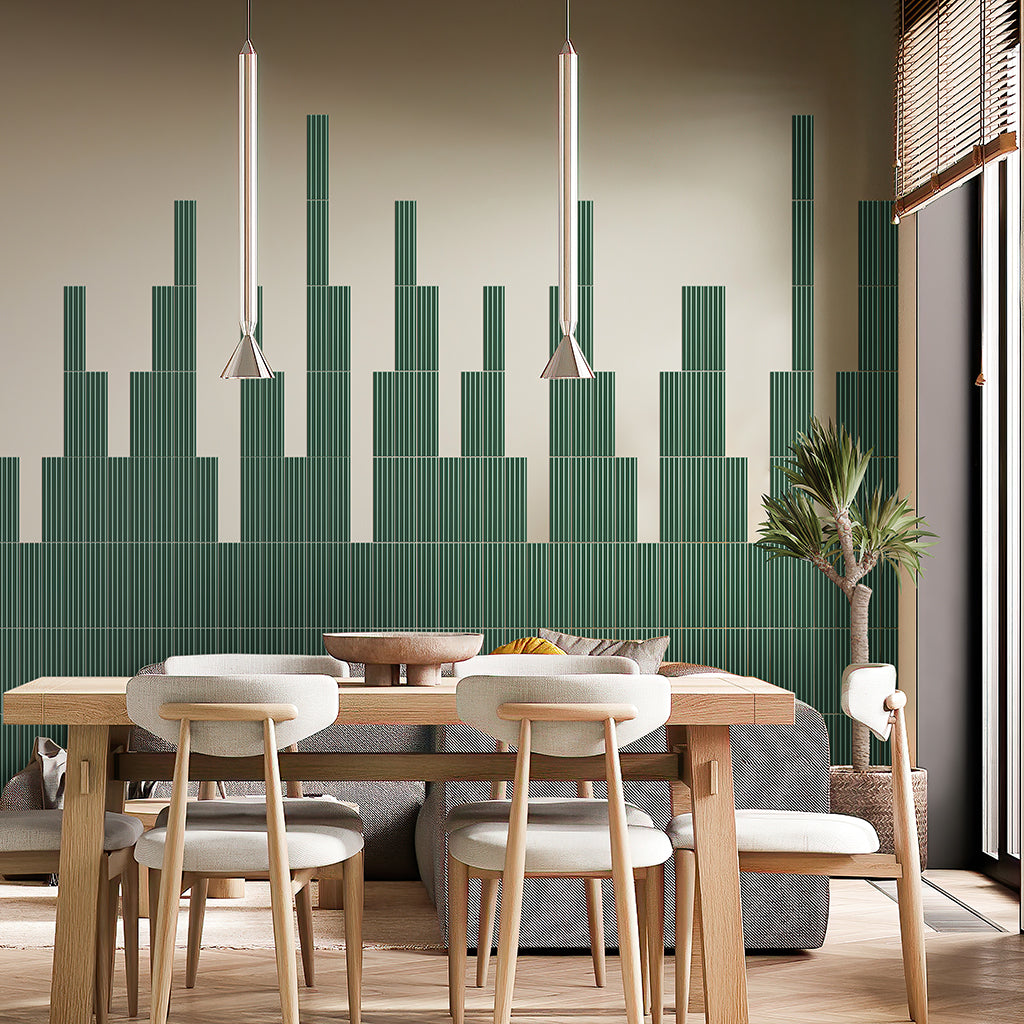
Fluted tiles are highly versatile and can be installed in different areas of the home, including the spaces outlined below:
Bathrooms
Bathrooms are one of the most common locations for fluted tiles. The vertical lines create visual interest without detracting from the peaceful ambiance. Fluted tiles are especially suited for use on shower walls or as decorative layouts near bathtubs. When mounted vertically, they can give a smaller bathroom an illusion of height. Additionally, they can be combined with other materials such as marble for luxurious bathroom spaces.
Kitchens
These tiles can be used in the kitchen, either behind the cooking area or on a kitchen island. Fluted tiles can help make a kitchen feel rejuvenated, especially when the cabinets and appliances make the space look plain.
Living Areas
Fluted tiles are rising in popularity in living rooms as accent walls. They can be placed behind a television, on a fireplace surround, or in an entrance area. Fluted tiles can also be used to define areas in open-plan spaces and will add linear visual interest, as seen in how designers use tile throughout the home.
Transitional Spaces
Corridors are usually forgotten areas when it comes to designing interiors, but fluted tile installations can make hallways a focal point. Fluted tile installed in a corridor adds texture and creates a dynamic effect.
Fluted Tiles in Commercial Interiors
Fluted tiles aren’t just for residential interiors. Commercial establishments, like hotels, restaurants, and retail stores, can greatly benefit from the use of these dimensional tiles. This is because walls tend to look bland, but just enough texture can add visual weight. In these spaces, fluted tiles are commonly incorporated on walls to create a dynamic look.
One of the ways through which fluted tiles provide a unique and elegant touch to the interior of a building is through the texture created by the vertical flutes on the tile’s surface. This adds depth to the interior of the building, which in turn gives it a refined touch. Through proper placement, orientation, and material, fluted tiles can be used to turn regular walls into statement features. Fluted tiles are the ideal solution for those seeking to inject character and depth into their room while still maintaining simplicity.