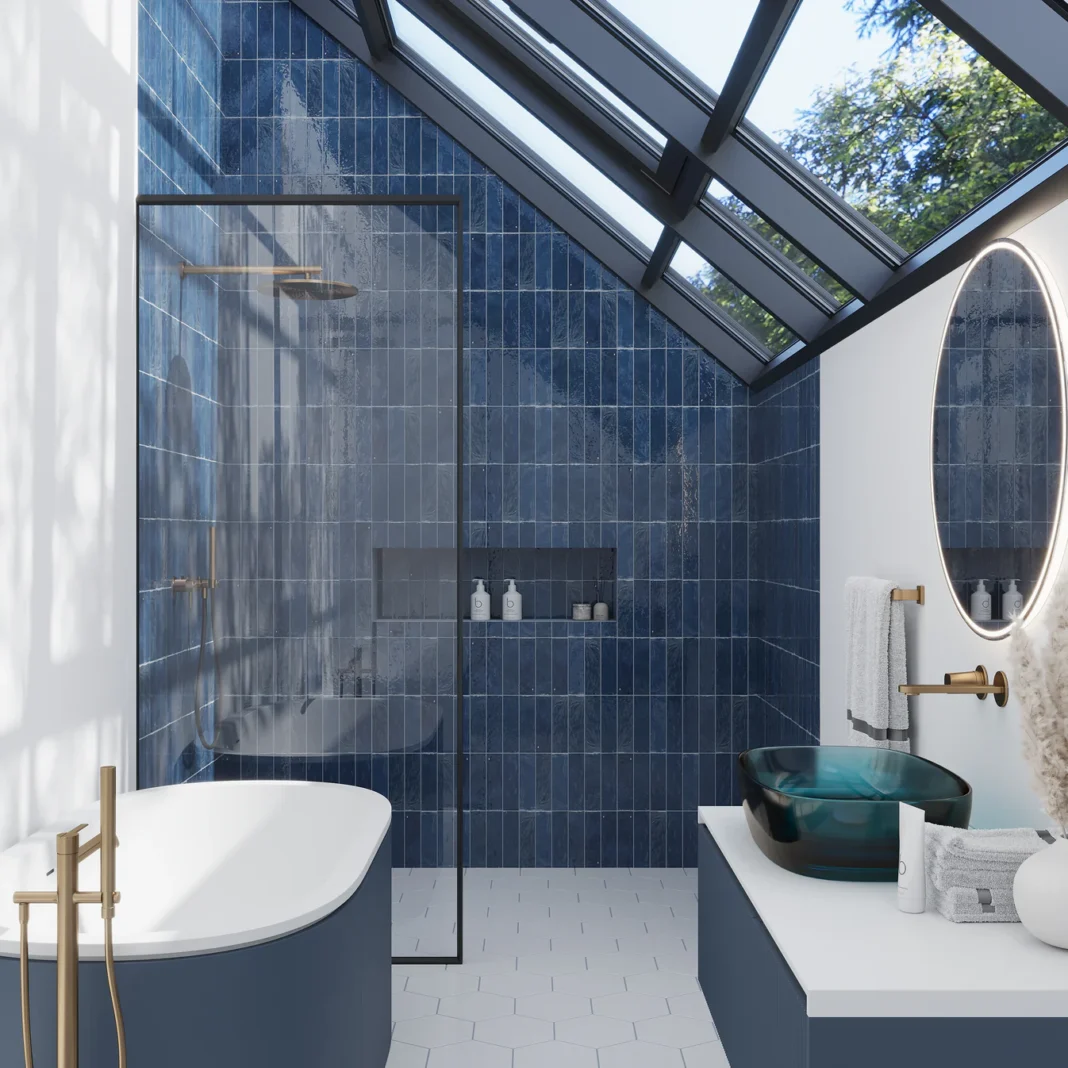
Most people pick bathroom or kitchen tiles based on their appearance. That’s understandable; aesthetics matter. However, the appearance alone is not enough, especially in areas where water hits the walls daily, soap and cooking grease build over time, and where steam lingers.
Around sinks, behind stoves, along shower walls; we call these areas splash zones for a reason. In these areas, wall surfaces deal with constant moisture, frequent cleaning, and wear that quietly adds up over months and years. Since those walls take a beating, they need to be covered with materials that really hold up. The good news? The right tile can deal with all while looking good for decades down the line.
In this blog, you’ll learn about what makes a splash zone tile durable, which materials perform best, and how to maintain beauty and functionality over time.
Best Tile Materials for Splash Zones
Porcelain Tiles
One of the most reliable materials for durable splash zone wall tiles is porcelain. Stains and water have a minimal chance of penetrating since it is fired at greater temperatures than ceramic, making it denser and absorbing nearly no moisture.
It performs particularly well as a bathroom and kitchen backsplash tile where steam and splashing are common on the walls. You don’t have to sacrifice style for functionality because porcelain is available in a variety of finishes, such as textured and stone-look alternatives.
Ceramic Tiles
For backsplashes and spaces with modest to moderate moisture exposure, ceramic tile is a great material. Although ceramic tiles have a slightly higher porosity than porcelain, their glaze effectively keeps water out and stains away.
The variety of colors and patterns of ceramic tiles is unmatched, and it’s often more budget-friendly. Ceramic works well for vertical surfaces like vanity walls or kitchen backsplashes, provided that the grout is applied correctly.
Glass Tiles
Glass tile is another non-porous material, meaning stains and moisture just cannot pass through it. It’s a practical choice for locations that deal with splashes or soap accumulation because all you have to do is wipe it down.
Glass also has the added benefit of reflecting light, which may be a great way to add some brightness to a small bathroom or kitchen. One thing to remember is that glass is more susceptible to fingerprints and water stains, so it needs to be cleaned more frequently to maintain its sharp appearance.
Natural Stone Tiles
No manufactured tile can really match the character and natural diversity that a natural stone tile can offer. Whether it’s travertine, slate, or marble, every piece is different. The organic feel and texture of natural stone tiles create a striking visual statement in a splash zone.
Natural stone works well in areas with minor splashing, but keep in mind that it does need to be sealed to keep moisture and stains out. Consider it a material that will repay a bit more attention with elegance over time.
Finish Matters: Glossy vs. Matte in Splash Zones
The finish on your tile does more than affect how it looks. It also shows how the surface functions on a daily basis.
The smooth surface of glossy tiles makes cleanup simple and quick. Water and debris are easily removed, and the reflecting surface brightens the space, which is particularly useful in small bathrooms or kitchens.
Customers prefer matte tiles because of their softer, more understated appearance. Because they are also good at hiding water stains and fingerprints, the surface normally seems cleaner between wipes. Heavily textured matte substitutes may need a little extra attention in high-splash areas to avoid soap or grease accumulation.
Textured tiles give a room depth and a tactile element that may truly make it unique. They function best in splash zones where there is less direct exposure to water, allowing their aesthetic impact to be highlighted without the additional cleaning requirements associated with higher moisture contact.
Different finishes have advantages and disadvantages; it all depends on your preferred style and method of space maintenance. They simply function differently; neither option is incorrect.
Installation and Maintenance Considerations
Even the strongest tiles require proper installation. When the right waterproof backing materials are used along with premium adhesives in splash zones, moisture cannot pass through the tile’s surface. Grout selection is also an important factor. In these areas, epoxy grout is a durable choice as it is more stain-resistant than traditional options.
Instead of using harsh chemicals that could eventually damage coatings, gentle cleaning agents should be utilized for routine maintenance. Regular resealing keeps natural stone resistant to moisture and stains.
A well-installed tile design lowers long-term repair costs and increases the splash zone’s longevity.
Designing With Durability in Mind
Durability does not limit creative design choices. For wall tiles in these splash zones, many creative tile choices are available without compromising on durability.
Subway tile remains a staple due to its versatility and timeless style. Horizontal stacking of subways creates a more traditional look, whereas vertical or stacked layouts are preferred for a more contemporary vibe.
Zellige tiles are a timeless and stylish choice where you want to keep the layout simple but add subtle variations to your design with surface texture and tone variation. Fluted tiles provide a striking alternative, adding tactile texture and visual interest to walls while keeping the clean lines of a classic subway format in durable materials.
In bathrooms and showers, large-format tiles can lessen maintenance requirements by reducing grout lines. On the other hand, creative patterned mosaics can add intricate details to your walls. In high-moisture areas, grout choice plays an important role: blending grout creates a smoother, cleaner appearance, and darker grout may be better at hiding stains in these busy areas.
Cleaning Tips for Wall Tiles in Splash Zones
- Regular Cleaning: For routine maintenance, use warm water and mild cleaners on your tiles. Avoid harsh chemicals that can damage tile surface or grout.
- Soft Tools: To maintain the tile’s surface details, use soft sponges or microfiber towels.
- Cleaning Glossy Tiles: Fast wipe to keep the glossy surface of tiles and get rid of water stains quickly.
- Cleaning Matte and Textured Tiles: Scrub gently to avoid soap, oil, or residue accumulation.
- Maintaining the Grout: To avoid discoloration, keep grout lines clean and seal them occasionally.
- Quick Wipe-Up: To prevent stains and water deposits, clean up spills on the tiles and splashes right away.
Conclusion
Performance and style are important factors in high-demand areas known as splash zones. Selecting long-lasting wall tiles, such as glass, porcelain, ceramic, or natural stone, ensures your walls resist stains, moisture, and normal wear and tear over time.
Wall tiles approved for splash zones retain their aesthetic appeal and practicality for many years when combined with proper installation techniques and cleaning routines. Splash-zone wall tiles combine functionality and long-lasting style when you make the right investments in materials and apply the right maintenance techniques for your tiles.